

One of the most important event-bar decisions happens before the menu is printed: who is responsible for bringing the materials? Clients can purchase the supplies themselves, or the contracted bar team can source and bring what the service requires. Both approaches can work when the responsibilities are clear.
Start with a complete materials list
Before comparing costs, write down everything the bar needs to function. That usually includes spirits, wine or beer, mixers, garnishes, ice, cups or glassware, napkins, straws, coolers, bar tools, signage, and a place to dispose of waste. The menu determines the list, so the materials conversation should happen after the drinks are chosen.
A written list also makes it easier to see which items are reusable, which items need to be purchased for this event, and which items the venue already provides.
- Match every ingredient to a specific menu item.
- Confirm the amount of ice, glassware, and non-alcoholic beverages.
- Assign one owner to every item before event week.
When the client supplies the materials
Client-supplied materials can be a good fit when the host already has preferred spirits, wants to shop within a specific budget, or needs to use products already in inventory. It gives the client direct control over brands and receipts.
The tradeoff is coordination. Someone must purchase the right quantities, transport everything to the venue, keep it cold, and make sure the bar team receives the complete order on time. A materials checklist and delivery window keep that responsibility from becoming an event-day surprise.
When the contractor brings everything
Having the contracted bar team source and bring the materials is often the smoother choice for hosts who want one accountable partner. The team can match the shopping list to the final menu, bring the working equipment, and arrive ready to set up.
Ask what is included before approving the quote. Some teams provide service tools and mixers but have the client purchase alcohol. Others can coordinate the full material package. The proposal should spell out sourcing, delivery, storage, ice, glassware, and what happens to unopened product after the event.
- Request a written breakdown of included and excluded materials.
- Confirm whether alcohol is purchased, reimbursed, or supplied by the client.
- Choose one point of contact for changes to the menu or guest count.
Choose the model that protects the guest experience
The best model is the one that keeps the bar stocked without making the host manage a second event behind the scenes. If the client has the time and a trusted shopping plan, supplying materials can work well. If the priority is a polished, low-stress experience, paying the contractor to bring the materials can be worth the added convenience.
Whichever route you choose, finalize the list early, share the venue rules, and confirm the handoff in writing. A calm bar starts with clear ownership before the first guest arrives.
A well-run bar begins with a materials plan that leaves no one guessing.
Drink of the week
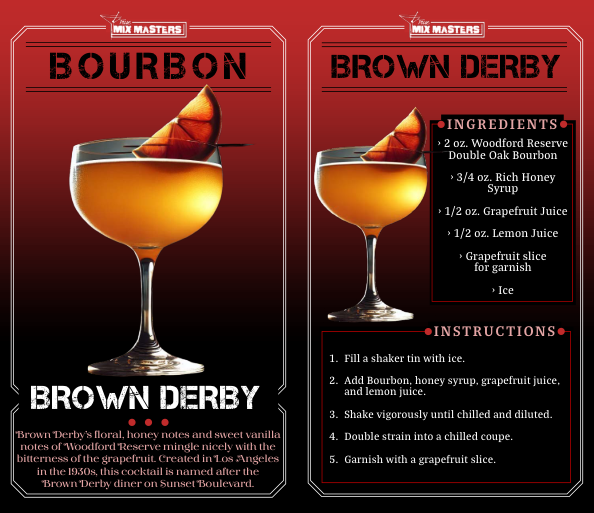
Brown Derby
A bright, balanced bourbon cocktail with floral honey, citrus, and grapefruit bitterness.
- · 2 oz. Woodford Reserve Double Oak Bourbon
- · 3/4 oz. rich honey syrup
- · 1/2 oz. grapefruit juice
- · 1/2 oz. lemon juice
- · Grapefruit slice for garnish
From the field
Events we have attended
Past content creators event for PShannel
A look back at a content creators event where the bar helped shape the guest experience.
50th birthday celebration
A celebration built around thoughtful service, a welcoming bar, and moments worth remembering.